





Retrobet Casino App Download In Australia
You want the quickest path from “I’m curious” to “I’m in the lobby.” Fair. But installs go smoother when you stop multitasking for five minutes and do it properly. One stable connection. One install method. One finished setup. If you try to install while your phone flips between weak Wi-Fi and data, you can end up with a half-built client that opens, stutters, then quits.
Retrobet Casino is available in Australia where access is permitted, and the practical approach is the same one you’d use for any money-adjacent account: keep your details consistent, keep your device locked, and don’t rush payment steps. The fun part comes after the basics.
Suppose you’re on a train in Sydney and you just hit a tunnel. Your signal drops, the download pauses, and your phone tries to “resume” three times. That’s where messy installs start. Wait until you’re on stable data or trusted Wi-Fi, then do the install once, cleanly.
And clear a little storage first. Seriously. Low storage makes installs fail in weird ways, then people blame the platform. Delete old downloads, restart, then start the install.
Store Install Vs Home Screen Shortcut
If you see a standard store listing for your device, that route is tidy. Install, launch, updates come through the same channel, done. It’s the least complicated option for most players because your phone handles updates automatically (or at least reminds you).
But some players prefer a browser-based setup saved as a home screen icon. That can feel “app-like” without a full install. It can also be lighter on storage. The trick is to keep your browser updated, close extra tabs, and treat that shortcut as one single entry point.
Quick scenario: you save the shortcut on your iPhone in Melbourne, then later you open the same platform in a different browser tab and sign out there. Next time the shortcut “logs you out” and you think you were hacked. Nope. Two sessions fighting each other. Pick one lane and stay there on that device.
Pre-Install Checklist For A Smooth Launch
Before you tap install, check three things: storage, battery, and updates. If your battery is at 7%, don’t start. Charge first. If your phone is running an OS update in the background, don’t start. Wait.
Then check your connection. If you’re on public Wi-Fi in Brisbane and the network keeps disconnecting, use mobile data for setup. It’s not about paranoia, it’s about avoiding interrupted downloads and corrupted files.
And keep your screen lock enabled. A phone is a pocket computer. It gets lost. It gets borrowed. It ends up on the kitchen counter while someone “just checks the time.” Lock it.
Mobile Account Setup And Safer Logins
Mobile sign-up can be dangerously fast. Two fields, a button, done. That’s also how people create accounts with typos they don’t notice until a reset email never arrives. Slow down on the first run, then everything else is easier.
Use an email you can access immediately. Don’t use a forgotten inbox from years ago. Keep your profile details consistent too: same spelling, same date format, same address style. If you move apartments in Australia, update your profile and payment account around the same time, not weeks apart.
Short scenario: you’re in Perth, you register in a hurry, you type your email wrong by one character, and you still manage to log in because you saved the session. Days later you need a password reset, and nothing arrives. Annoying. Avoidable.
Set up your password properly. Make it strong. Store it in a password manager. Reusing old passwords is the fastest way to turn a fun session into a stressful recovery mess.
And log out after payment actions. Not after every spin, fine, but after deposits and cashouts, yes. It keeps your session clean, especially if you ever share a device at home.
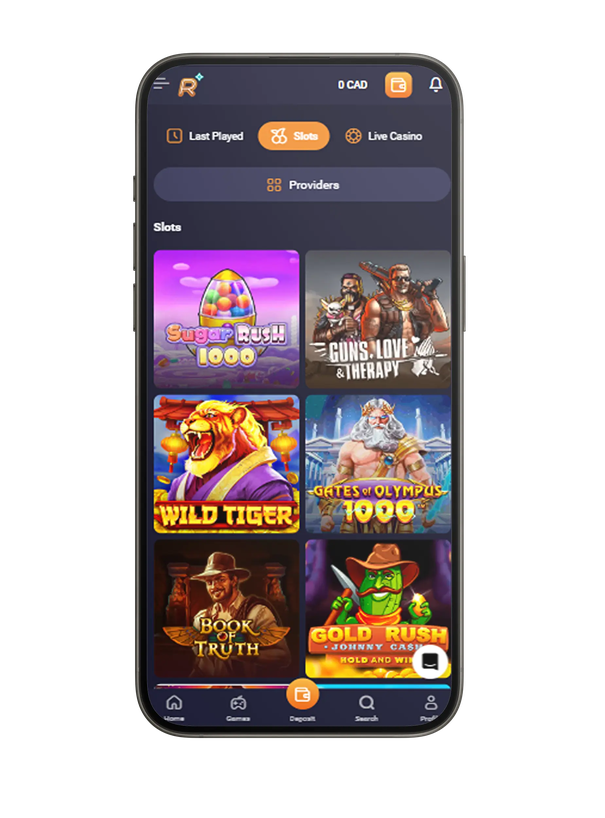
Games On The Go: Finding Your Flow
Phone play feels different. Faster. Closer. More thumb-driven. That’s why your “flow” matters more than your game list. If you drift and chase, your spending gets messy. If you plan short sessions, everything feels lighter.
Suppose you’re waiting for takeaway in Adelaide with 12 minutes to kill. You open the lobby and the banners start yelling at you. Don’t scroll for a minute. Filter first, pick second, play third. Scrolling is where impulse takes over.
Keep a small favourites list. Five is enough. When your list is huge, you still end up choosing randomly, just with extra scrolling.
Also, decide your stop point before you start. One sentence. “This is my session budget.” Another sentence. “I stop when the timer rings.” That’s your whole strategy on mobile.
Filters That Save Time On Small Screens
Use the search bar and filters like a map. Providers, themes, feature icons, volatility tags - whatever is available. Two filters is plenty. If you pile on ten filters, you often end up with zero results, then you go back to scrolling.
Scenario: you’re on a tram in Melbourne, signal is weak, and heavy games load slowly. Filter for lighter content and skip anything that streams big video. Less buffering, fewer interrupted rounds, fewer “did that spin count?” moments.
And don’t change stake settings mid-shake. If you’re moving, wait until you’re still before you tweak bet size or speed. A shaky thumb can make expensive mistakes.
One-Hand Play Without Mis-Taps
Phones punish sloppy taps. One accidental press and your speed setting changes, your stake changes, or you hit a feature you didn’t intend to use. So before you spin, set your stake, check speed, then leave it alone for a while.
Quick scenario: you’re walking in Sydney, you try to adjust stake while crossing a street (don’t), you mis-tap, and your next few spins cost more than planned. Pause, finish your move, then adjust when you’re still.
And set a timer. Your phone already has one. Ten or fifteen minutes. When it rings, stop and breathe. No debate.
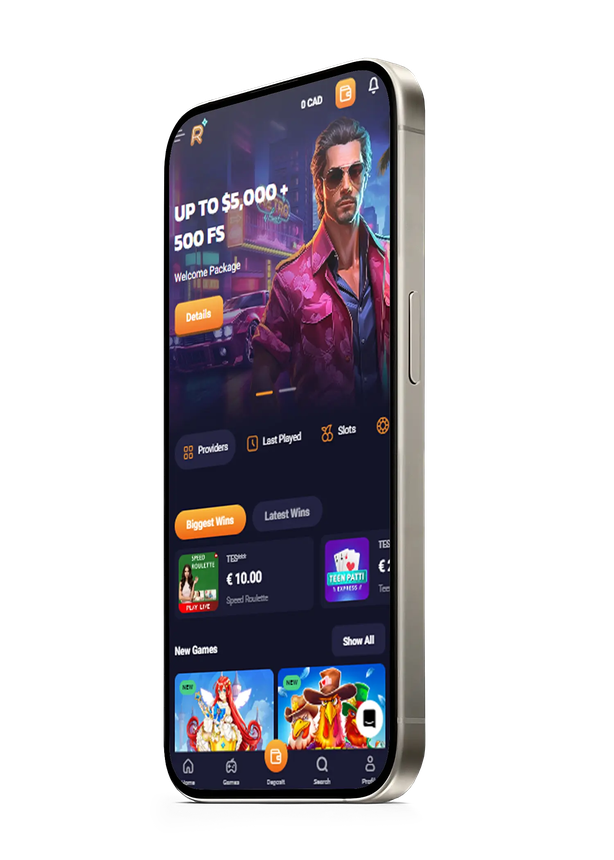
Payments And Cashouts From A Phone
Money actions should feel like online banking. Quiet place. Clean screen. Stable connection. No rushing. If you treat payments like a game, you’ll eventually click the wrong thing.
In Australia, banks can add friction to gambling-related transactions. You might see an approval prompt in your banking app. You might see a decline even when you have funds. It happens. The move is simple: check once, approve once, retry once, then stop. Repeating attempts can trigger extra security checks.
Micro-scenario: you’re in a cafe in Brisbane on public Wi-Fi, a deposit fails, and you try again three times. Then your bank approves all three and you end up with more deposited than planned. Avoid the whole story. Switch to mobile data, check your bank prompt, then act once.
Cashouts on mobile are smoother when your account is already tidy. If verification is pending, expect delays. If your details mismatch across accounts, expect extra steps. If you keep switching payout routes, expect more checks. Consistency is boring. Boring is good here.
Here’s a practical overview of common payment routes and what to watch:
Payment Route Type | Good For | What To Check First | What Can Slow It Down |
|---|---|---|---|
Bank card | Fast top-ups | Bank prompts and daily caps | Bank reviews, caps, extra checks |
E-wallet | Budget separation | Wallet limits and fees | Wallet verification, transfer limits |
Crypto transfer | Flexible funding | Network choice and fees | Confirmations, fee spikes, wrong chain |
Bank transfer | Larger requests | Account details and cutoffs | Business hours, cutoff times |
Prepaid option | Tight budgets | Payout availability | Method limits, availability rules |
After you submit a cashout request, don’t refresh the status page like it’s a live score. Submit once, screenshot the confirmation, then step away. If it shows processed, the next stage often sits with the payment rail or your bank.
Deposit Control Without Killing The Mood
Fast deposits are convenient. They also make overspending easier. So set a deposit cap before the session starts, not after you’re annoyed.
Scenario: you’re tired after work in Sydney, you lose a few rounds, and your thumb wants to top up “just a bit more.” That mood is not a good advisor. Stick to the cap, end the session, come back tomorrow if you still want to play.
A simple rule works: never change limits mid-session. If you want a bigger budget, decide it on a calm day, not on an emotional night.
Cashouts Without Repeat Taps
Submit once. Screenshot. Leave it. That’s the whole playbook.
Scenario: you request a withdrawal late Friday night in Perth, then you get annoyed it isn’t instant. Try earlier next time. Fewer people in the queue, fewer delays.
If a verification prompt appears, handle it in good light with steady hands. Show all corners of documents, avoid glare, and keep images sharp. Blurry uploads cause re-requests, and re-requests slow everything down.
Security And Privacy On Mobile Devices
A phone is a wallet now. Treat it that way. Lock screen on. Auto-updates on. No shared logins. And keep your email account secure, because password resets and alerts go there.
Scenario: you lose your phone on the Gold Coast. If your device is locked and your email is protected, you recover fast. If not, you’re scrambling through resets while stressed, and stress makes mistakes.
Turn on any extra sign-in protection offered in your account settings. Then clean up your device habits: don’t save passwords in shared browsers, don’t leave sessions open on borrowed phones, and don’t handle payments on public Wi-Fi if you can help it.
And watch notifications. Promo pings can drag you into extra sessions you didn’t plan. Keep security alerts. Mute marketing noise. Quiet is underrated.
Password Managers And Recovery Discipline
Make one strong password and store it properly. Don’t rely on memory. Don’t reuse an old one. If you reuse, one leak can spread across accounts.
Scenario: you set a short password because it’s easy to type on mobile, then you forget it, then you reset it three times, and now you’re locked out temporarily. Avoid the loop. Use a manager and stop thinking about passwords.
Also keep your inbox accessible. If you can’t open your email when you need it, you’ll feel stuck. That’s the worst time to discover you don’t remember your email password.
Public Wi-Fi Rules That Keep Life Simple
Public Wi-Fi is fine for browsing. Payments and logins are another story. Use mobile data for sensitive steps. If you must use Wi-Fi, use a trusted network and don’t save passwords in the browser.
Scenario: you’re in a cafe in Melbourne, Wi-Fi keeps dropping, and the cashier page reloads mid-action. That’s how duplicate taps happen. Switch to data, finish the action, log out, done.
And turn off auto-connect to random hotspots. Your phone jumping between networks creates lag and disconnects at the worst moments.
Shared Devices And Casual Borrowing
If you share your phone at home, lock it. If you ever let someone borrow it, log out first. If you use a tablet shared with family, don’t keep a live session open.
Scenario: you leave your phone unlocked while you cook dinner in Brisbane, someone taps around “just to see,” and your session is suddenly not private. No scandal needed. Just lock the phone and avoid it.

Performance Fixes When Mobile Feels Laggy
Lag makes people mis-tap. Mis-taps lead to frustration. Frustration leads to chasing. It’s a chain you can break with simple device habits.
Start with heat and battery. Phones throttle performance when they’re hot. Lower brightness. Close background apps. Let the device cool. If your phone is at 5% battery, charge first. Low battery can also throttle performance and create stutters.
Scenario: you’re outside in Darwin, sun on your screen, and the lobby starts stuttering. Drop brightness, close background apps, pause for a minute. Then try again. It’s not magic, it’s device physics.
Check storage too. Low storage causes “random” crashes that aren’t random at all. Clear old downloads, delete unused apps, restart once.
Low Signal Moves That Prevent Confusion
When signal drops, don’t spam-tap. Wait a few seconds, refresh once, then check your balance and history before starting a new round.
Scenario: you’re in a tunnel in Sydney, connection dies mid-spin, and you panic. Don’t. Let it reconnect, then check the history page. Most systems reconcile interrupted rounds after reconnecting.
Switch networks once if needed. Wi-Fi to data or data to Wi-Fi. One switch can help. Ten switches create chaos.
Updates, Cache, And The “It Was Fine Yesterday” Problem
If your phone updated overnight, restart once in the morning. Then check for platform updates. Then relaunch. That little routine fixes a surprising number of “it was fine yesterday” issues.
Scenario: you updated iOS in Perth, and now the browser shortcut feels slow. Clear browser cache, close tabs, relaunch. If you’re using an installed client, update it, restart, test again.
And keep your device time correct. Security systems can behave oddly when your clock is off, and that can create login loops that feel mysterious.